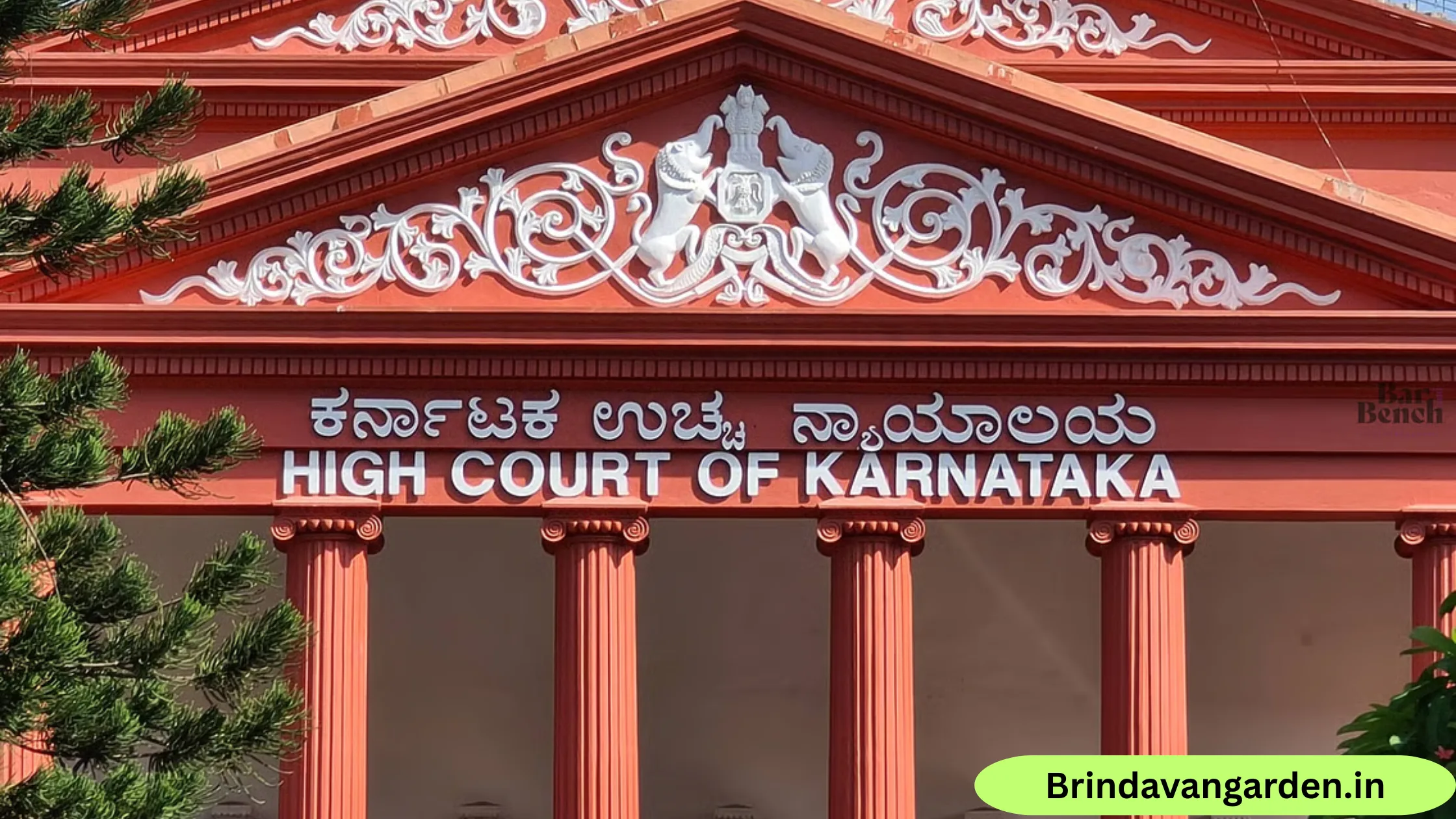
Bengaluru, December 11, 2025 — The Karnataka High Court continues to be at the center of a significant legal and social debate after the state government’s progressive menstrual leave policy faced multiple judicial hurdles and intense scrutiny from businesses and civil society.
Background: What Is the Menstrual Leave Policy?
In November 2025, the Karnataka government issued a notification mandating one day of paid menstrual leave per month for women employees aged 18 to 52 years, covering permanent, contract, and outsourced workers across various industrial establishments in the state. The policy was intended to apply to workplaces registered under major labour laws including the Factories Act, Shops & Establishments Act, Plantation Workers Act, Motor Transport Workers Act, and others.
The move was seen as a progressive step toward gender-sensitive workplace reforms, aiming to support women’s health and dignity in the workforce. The government defended the policy in the Karnataka High Court, asserting that it would help create a more inclusive work environment and citing broader constitutional and welfare grounds for its implementation.
High Court Stepped In: Stay and Recall
On 9 December 2025, the Karnataka High Court initially stayed the implementation of the government’s menstrual leave notification following petitions by the Bengaluru Hotels Association and a private company, Avirata AFL Connectivity Systems. Petitioners argued that the state lacked the authority to issue such a directive without prior consultation and that labour laws did not explicitly provide for menstrual leave.
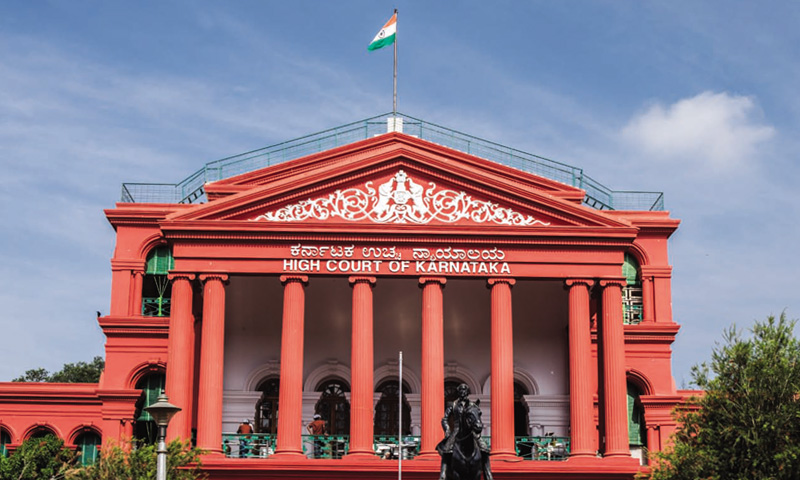
However, hours after the interim stay, the court recalled its own order, allowing the policy to remain in force while the matter proceeds. The recall followed submissions by the state’s Advocate General, who urged the court to reconsider the stay. The High Court has now scheduled further hearings to examine the substantive legal issues.
Next Legal Hearing and Public Importance
In a recent hearing, the High Court highlighted that the case involves issues of public importance and requires a detailed examination of constitutional and labour law principles. Accordingly, the court has adjourned substantive hearings on the petitions to January 2026, allowing ample time for arguments from both sides.
Legal experts note that the case raises complex questions about the scope of executive powers, the interpretation of labour law provisions, and the balance between welfare imperatives and regulatory authority. The outcome may have wide implications for workplace policies beyond Karnataka, especially in states considering similar reforms.
Reactions from Stakeholders
- State Government: Officials reiterate that the menstrual leave policy is a well-considered, equitable initiative aligned with global trends on gender-responsive workplace reforms. They have indicated plans to introduce legislation in the Karnataka Assembly to provide further statutory backing.
- Business Associations: Several employer groups remain concerned about the policy’s implementation without legislative support and argue that it could impose operational and compliance challenges.
- Women’s Rights Advocates: Supporters of the policy say it recognizes biological realities and promotes dignity, equity, and better health outcomes for women in the workforce.
What’s Next?
With the Karnataka High Court set to reconvene on 20 January 2026, anticipation is high over a comprehensive judicial review that could influence similar policies across India. Until then, the menstrual leave policy remains in a state of judicial and administrative limbo, reflecting a broader national conversation on gender rights, labour reform, and legal authority in the workplace.